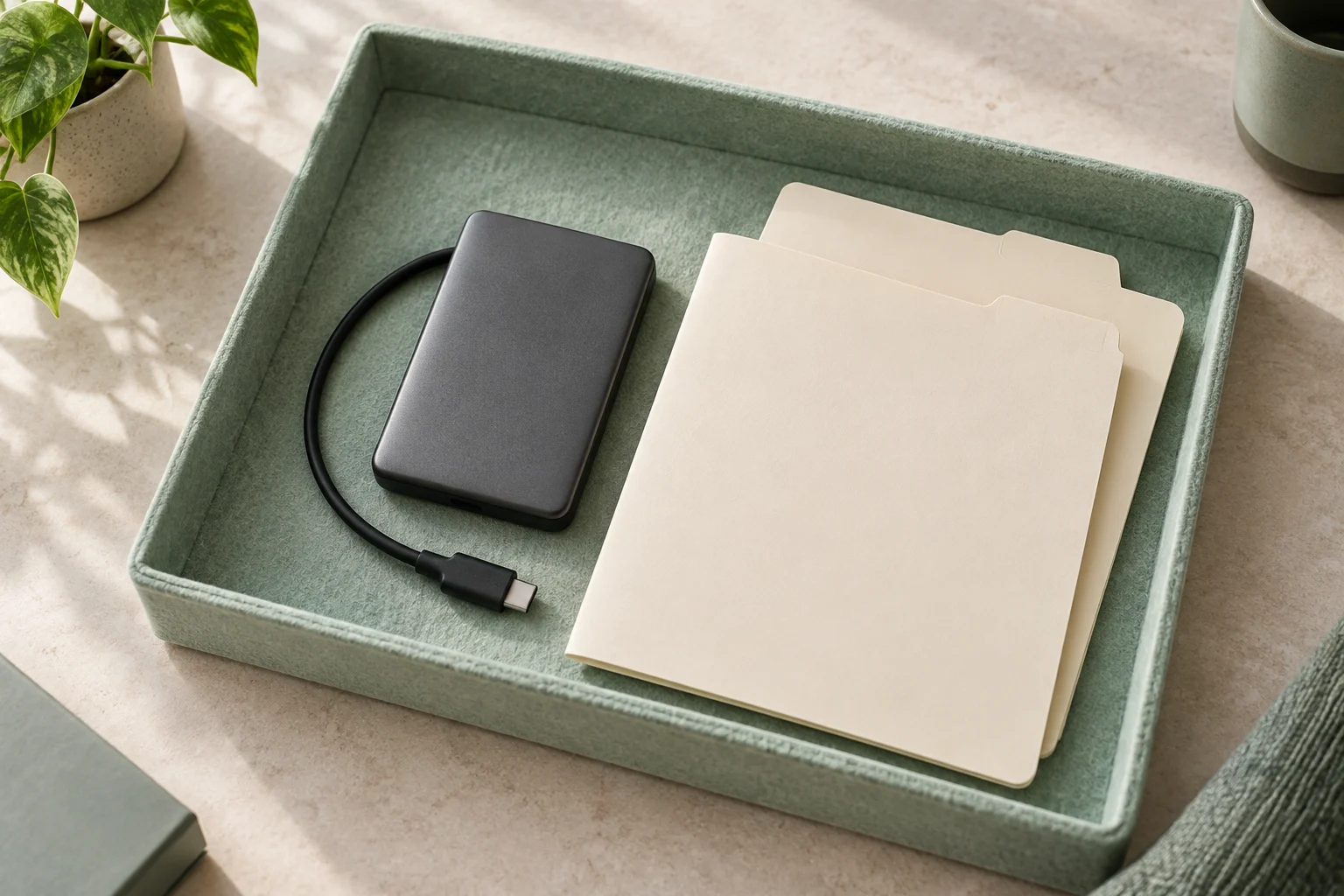

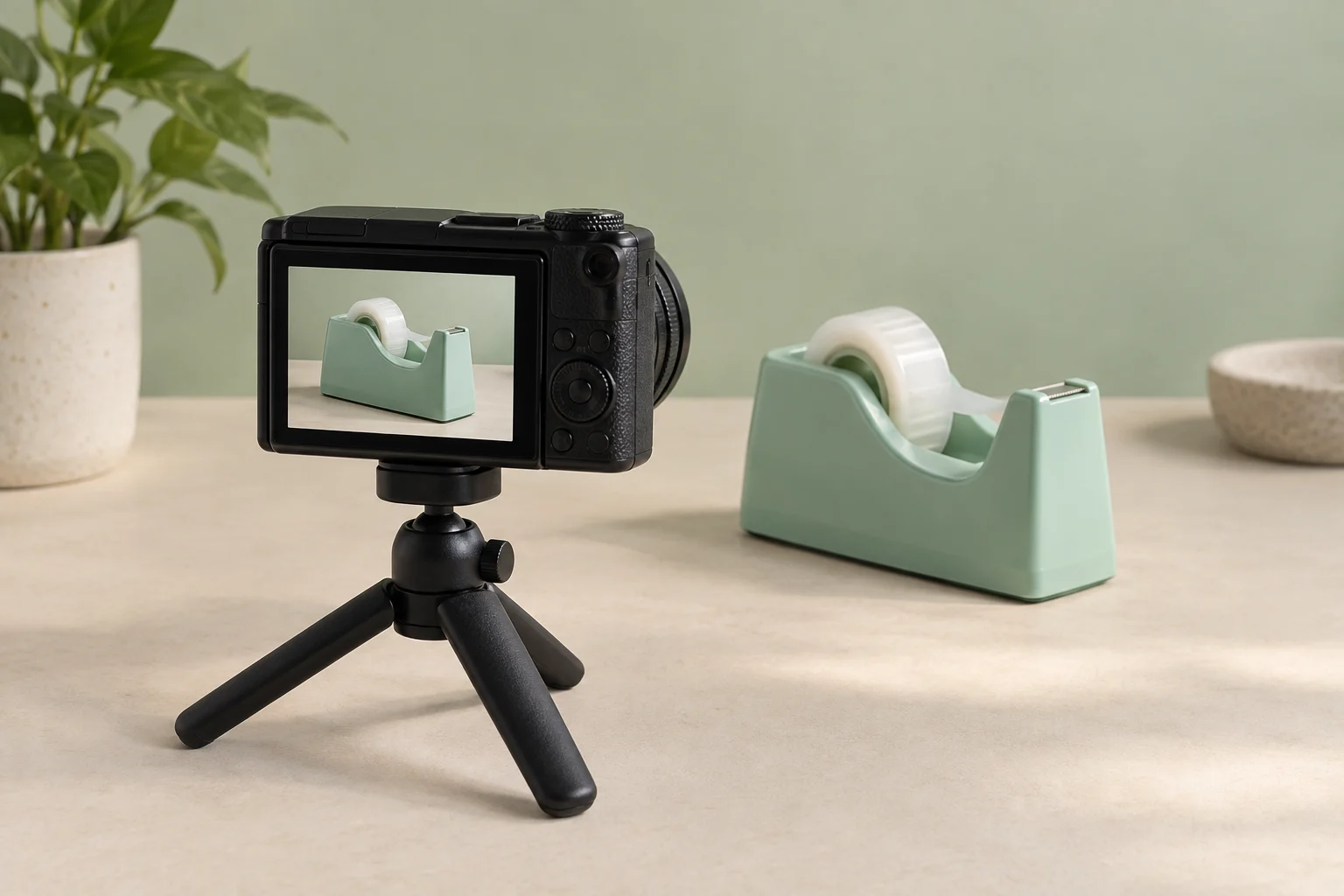
When a brand asks for “the raw files too,” ask what it wants to do with them, then name the exact files and their treatment. Selected camera recordings, a clean edited export and an editable project are different deliverables. Agree the selection, full or trimmed takes, audio and required format before treating the phrase as a promise.
Name the file, not just the word raw
Begin with the client’s next task. Does its editor need separate recordings to build a new cut, the same finished cut without captions, or the timeline used to make it? The answer changes what you need to prepare. Exporting the same edit without captions does not bring back unused takes or reconstruct its editing project.
Turn an ambiguous request into a file question
Scroll sideways to see all columns.
| What the brand wants to do | Possible deliverable to discuss | Question to settle |
|---|---|---|
| Build a new edit from specified product actions | Selected camera recordings of those actions | Which takes, complete files or agreed trims, and what captured audio? |
| Add its own captions to the same finished edit | An edited export without specified text overlays | Which text is removed, and which picture edits and audio remain? |
| Continue working on the existing timeline | An editable project plus agreed dependent resources | Which editing application/version, media and other resources will be supplied and may be shared? |
“Raw footage” in a conversation may mean unedited clips. Technical RAW is a different question about the recording format. Blackmagic Design, for example, documents Blackmagic RAW as a particular codec with compression options. “Unedited” therefore does not by itself mean that a file is uncompressed or recorded in that codec. If format matters to the recipient, name it and check that you can actually supply it.
The camera screen in the illustrative cover cannot establish any of these properties. A preview does not prove whether a file has been edited, which codec it uses or whether it belongs in the agreed package.
Specify the selected actions and treatment
Consider a fictional assignment for a mint manual tape dispenser. The proposed footage covers two actions: placing the dispenser on a desk, and pulling a short strip of tape. The brand also requests one finished video. These are invented scope details, not real recordings or a tested product demonstration.
The brand then writes, “Please include raw too.” Ask whether it wants selected usable recordings of those two actions or every take made during the session. Ask separately whether each selected recording should remain complete or be trimmed to a stated action. Choosing a take and shortening it are different decisions.
- Selection: identify the required actions and how many takes of each are included; distinguish that set from rejected takes or the whole session.
- Boundaries: specify complete camera files or agreed start/end trims. If short lead-in and ending moments are required, agree what the recipient needs rather than assuming one universal duration.
- Treatment: state whether captured sound stays, and whether any stabilization, color adjustment, noise reduction, captions or music will be applied.
- Format: confirm the actual recording or export format and other technical requirements that matter to the recipient. Do not substitute a filename label for file properties.
For this example, suppose both parties choose one usable, complete camera recording per action, with captured audio retained and no trimming or post-recording stabilization, color adjustment, added text or added music. That is two selected files, not every take. It does not promise an absence of processing inside the camera. If they instead choose trimmed action clips, describe them as trimmed clips rather than untouched camera originals.
Review what those files would contain before confirming the set. If a complete take contains private or unrelated material, explain the issue and agree a different take or an explicitly described trimmed or redacted alternative. Do not silently alter it while continuing to promise an untouched original.
Treat an editable project as a separate request
An editing project can describe how media is arranged without containing all that media. Kdenlive’s manual states that, for most video, audio and images, its project stores references rather than the media itself. That is an example from one editor, not a rule that every project format behaves identically.
If a project is requested, agree the application and version, which source media and other resources are needed, and what you are permitted to share. Do not promise a usable project merely because you can send a small project file. Kdenlive’s archiving documentation describes collecting required files and updating their paths; other tools have their own collection and compatibility requirements.
A collected folder or archive does not grant permission to redistribute third-party music, fonts or other assets. Resolve such dependencies before including them. Where a requested resource cannot be supplied, discuss an allowed alternative and its limitations. Do not guarantee that the recipient can reopen or edit the project until the agreed setup has actually been checked.
The fictional tape-dispenser package below excludes the editable project. That is an example of an explicit proposal, not a universal creator policy or a claim that projects must always cost extra.
Answer with a concrete proposal before accepting
Fictional scope clarification
For the tape-dispenser assignment, do you want the following set?
• One finished video with the treatment specified in our brief.
• Two selected complete camera recordings: one placing the dispenser on the desk, one pulling a short strip of tape.
• Those two recordings retain captured audio, with no trims or post-recording stabilization, color adjustment, added text or added music.
• Rejected takes, other session recordings and the editable project are excluded from this proposal.
Please confirm the required file format, intended use and delivery timing. If you need trimmed action clips, a caption-free edited export or the editing project instead, let us agree that set and any scope or price change before acceptance.
Adapt that response to what you can produce and share. Set any selection or technical condition that is still open before treating the proposal as accepted. Whether a file type is included or separately priced depends on your agreement; this example sets no standard rate, surcharge or free-extra rule.
Keep file scope separate from permission to use the material. Receiving camera files does not by itself settle the permitted channels, duration, further editing or third-party asset rights. Record those terms explicitly. Once the set is agreed and prepared, use a delivery list and access checks; the related handoff guide covers that later step.
How this fits UGC Stage
UGC Stage is an application in development connecting creators and brands. Its planned creator packages let you define your own deliverables and prices. A precise description of the recordings or exports you offer can help prepare a future package that both parties understand. This guide is a manual scope exercise; it does not describe a default raw-footage entitlement, editing tool or project-collection feature in Stage. Join the creator launch list to hear when the application becomes available.
Explore the applicationSources and notes
Practical guidance from the UGC Stage team. Examples are educational, not customer results or income guarantees.